

Liberty Coiley-6368, Amy Freeman-6214, Amy Chenoweth-6145, Daisy Edwards-6207
Showing posts with label teaser trailer. Show all posts
Showing posts with label teaser trailer. Show all posts
Monday, 3 December 2012

Tuesday, 20 November 2012
Evaluation- First day of filming
Apple Bobbing torture scene.
- This scene included our main protagonist and one victim (Lewis) being forced into a bucket of water and he is writhing about.
- We started out with an underwater shot of Lewis’s head in the water, the problem at the first was that it was too close up so we couldn’t really see Lewis. The next shot was the same but this time Lewis didn’t put his head so far into the water.
- We also made sure that although Amy wasn’t in the shot, she forced his head down into the water so that it looked more natural.
- Another problem was the apples were in the way of the camera, so we only put four apples into the box and made sure they were in the corners. Later we had a high angle shot where you can see the apples.
- After we made sure the apples were out of the way and Lewis put his head slightly in the water we had a good shot.
- The next shot we did for this scene was a mid shot of our main protagonist (Amy) and the victim (Lewis) as she ‘forces his head into the water’
- The main issue in this shot was the lighting, we needed to make sure both characters could be seen clearly but it was still dark enough to give off the right connotations.
- After a few takes we used a bright lamp so that the corner was bright enough, but half of Amy’s face was in shadow so that it could still give off the right connotations.
- The last shot of this scene included another mid shot focusing on Lewis again being pushed into the water; you can just see Amy’s hands on his shoulders.
- This shot just adds continuity to the whole scene, so that we can see the continuous flow of Lewis being forced into the water.
Cutting
of the smile.
- Earlier in the day we painted another victims face (Frankie) to make it look like she has had a face cut into a smile.
- This shot needed Amy in front of Frankie, and just ‘cutting into her face.’ This proved a problem in terms of lighting again, we moved the lamp and it looked a lot better.
- The next shot was Amy behind Frankie pulling her head up, this worked rather well as the lighting was bright enough and Frankie looked straight at the camera.
Hammering into the eye.
<!--[if !supportLists]-->·
<!--[endif]-->This next shot was when two victims (Daisy &
Harry) are forced to hammer into the other person’s eye.
<!--[if !supportLists]-->·
<!--[endif]-->We had to take quite a few shots as the lighting
was a problem due to the fact we were filming in the corner of the room, behind
a ladder.
Tuesday, 16 October 2012
Misery teaser trailer deconstruction
Camera Angles-
This clip has one long shot
of a blizzard showing mountains in the background. It looks like a very secluded
place away from anything or anyone else.
There is also an extreme
close up of what looks like blood splatters which then forms letters.
Sound-
It starts off with diegetic
sounds of a snowy blizzard alongside a non diegetic voiceover of a man
narrating what the film is about.
There is then the non
diegetic sound of a typewriter being used inferring that it will have a
significant part within the film.
Mise en scene-
The snowy mountains in the
background with the darkened sky could show the desolate place in which the
film is set.
The use of red lettering of
‘MISERY’ allows the audience to infer the film has violence, bloodshed and
death involved. The use of having misery written in the background but smaller
with a blue tint contradicts the red as it represents calmness and
tranquillity.
Editing-
The use of the non diegetic voiceover explains partly
what the film is about without giving too much away as the on screen clues are
minimal. The cutaways used of the typing show the audience what the title is as
well.
Sunday, 14 October 2012
Martha Marcy May Marlene Teaser Trailer
Deconstruction
Camera Angles
- Throughout the trailer, there are various 2 shots. This shows the different relationships present but doesn't necessarily offer any more detailed information than this creating enigma and posing questions. The first example of this shot is a mid-shot of 2 girls (one of them being Martha/Marcy May) and what could be her friend. There are others with and without Martha including her sister and her husband and also Patrick and a shadowy figure of a girl (which conceals her identity). Conventional to a teaser trailer, there is not a clear storyline told to the audience which creates even more mystery and intrigue to who these characters are and their relationship with others.
- The close-ups of Patrick are intrusive and uncomfortable, true for all examples of close-ups (as well as not revealing too much of the story). This is appropriate for the genres drama and thriller because it shows his emotions and expressions and well as opposing them on the audience. This also gives a creepy feel and gives hints about his character.


- The establishing shot of the farmhouse sets the scene and poses questions about its significance to the story.

- An interesting aerial shot shows Martha kick someone down the stairs. This is an inspirational example as it is unconventional and in a sense more shocking.
- Another trend in the trailer is shots taken from behind the action i.e. the back of characters’ heads, concealing their identity and creating enigma.
Sound
- The non-diegetic soundtrack consists of a string-dominated piece of music. It begins with strings giving short bursts in a steady beat. As the trailer continues, more strings are introduced layering over the already present melody with a variation of such, increasing tension and causing disorientation.
- The ambient diegetic sound effects of birds tweet and breeze work to create a sense of equilibrium at the beginning, which is a strong convention of a trailer.
- There is a sound effect throughout that sounds like hammering, but distorted and echoing. This gives the illusion of mental disturbance and could reflect Martha’s anxieties.
- Another aspect to the soundtrack is the dialogue repeating ‘Martha’ and ‘Marcy May’ in shouts, speech and whispers. This could resemble voices in Martha’s head as she has been mentally traumatised because of what she’s been through. This increases tension and is distressing even for the audience as the voices are repeated over and over in a disturbing manner. This is appropriate for the film being a thriller and appeals to audiences who want to be shocked and disturbed.
- There are deep bass notes during harsh or shocking actions on screen such as a man chopping wood or when Martha’s sliding down the wall. This increases the shock and tension, appealing to the audience and being appropriate for the genre. As well as this it’s also a convention of a trailer.
- The sounds of phones ringing are harsh and loud, which could provide shocks and discomfort in the audience, keeping them on edge, especially as they can be heard before the shot even cuts to one featuring the phone so it’s not expected (appropriate for the genre).
- To increase tension even further, the sound effect of Patrick cocking a gun can be heard loudly but no gun shot which extends the tension but without any shock release.
- Instead the trailer finishes calmly with the Lucy’s disturbed and concerned dialogue ‘Martha, what happened to you?’ The teaser trailer doesn't reveal too much which means the audience are asking the same question. In the background, a sound that’s similar to crickets and another similar to thunder can be heard.
Mise en Scene
- To coincide with the sense of equilibrium at the start, the lighting is bright and natural connoting a happy, relaxed scene. This is further supported by the casual clothing and bare feet of the featured characters.
- This is contrasted completely with the rest of the scene which consists of a lot of shadows and silhouettes which gives a dark, sinister edge to the trailer; this is appropriate for the genre of thriller.

- The close-up of Patrick shows how he is quite a bit older than the other girls especially because of his slightly grey stubble and lines on his face. He also looks quite rough as he is skinny and wearing a white vest with messy hair and looks a little dirty.
- A repeated close-up of Martha shows her look past the camera with an empty but curious expression wearing dark clothing. This is quite a contrast to the beaming grin of Martha at the beginning suggesting something bad has affected her. But the teaser trailer does not reveal any details. Later on, there are shots of her looking disorientated and confused, further showing examples of her anxiety. There are also a few shots of Lucy and Ted looking angry, concerned and anxious.

- As we can hear Ted saying ‘her behaviour is insane’, Martha knocks a glass out of someone’s hand and leans towards them confrontationally. This emphasises and gives examples of the type of behaviour he’s talking about (sound is parallel and relevant to the action on screen). Other example of her behaviour are crying and sliding down the wall after talking on the phone; and pulling away hysterically from her sister.


- When Martha is walking past a window sneakily, a girl can be seen in the window that looks haunting and slightly scary. This is appropriate for the thriller genre and suggests the danger and terror that Martha is experiencing.

- The last shot is the same as the image on the film’s poster and website. It is an extreme close-up of Martha’s face as she lies on her side, her eyes move slowly and eventually find the camera. This is slightly creepy and puts the audience on edge, appealing to them.
Editing
- The trailer’s transitions are very varied throughout but generally consist of fades: shots fading in and out, fading from/to black as well as cuts to black and flashing of images. These make the shots look softer and differentiate the shots from that of a horror film with are harsh.
- The editing is parallel to the sound especially repetitive beats when the shots flash on each note also increasing in pace as the music does.
- Fades to black are generally accompanied by a dark ominous boom from a deep, bass note/drum. This creates a feeling of doom and increases tension.
- I prefer the execution of this trailer compared to that of conventional horror or even other thriller trailers and so I think we should look to this trailer as an inspirational example.
Titles

- The trailer begins with a QR code which is unusual but inspirational as it uses technology to encourage audiences to find out more and become more involved. This is effective promotion for the film. The QR code is created from a picture of Martha (from the poster) which makes the technique even more unique and personal to the film.
- There are no titles throughout the title to give clues or hints to the audience, therefore a high level of enigma is created, which is a good promotional technique as it encourages audiences to find more out themselves i.e. go to see the film.

- The only titles are at the end of the trailer when the title is revealed. The last shot is the same image as that on the poster and website. It then changes format to the ‘M’ shape and the title of the film appears, name by name on the right.
- The background is a stark white and the names and image are of a grey colour. The various shades of grey in the title and the font showing the website address could represent her different personalities, families, lifestyles and experiences.

- Featuring the film’s website address is also a good promotional tool in the same way as the QR code.
Thursday, 11 October 2012
The Loved Ones Teaser Trailer Deconstruction
Camera Angles
- Trailer begins with high angle, establishing shot of a high school and a long shot of buy corridor. This sets the scene and fits with the equilibrium established at the start, which is rather much a rule for trailers.

- After the boy rejects the girl’s invitation to the dance, there is a long shot of the girl left standing alone staring after him. The fact she’s so alone in the shot persuades the audience to feel sympathy for her, luring them into false security as there is also a sinister edge to the shot.
- Close-up shots of a couple kissing in the car emphasises the intimacy of the scene which makes the next shot (from inside the car) of the ‘alone girl’ looking in more disturbing and shocking.There is a succession of close-up shots of the boy being kidnapped such as a man’s hand covering his as he grabs him and another of his legs while his body’s being dragged through the grass. This creates enigma surrounding the situation as his surroundings weren't shown at all to give any clue to what was happening. This is what draws an audience in.
- A long shot of the girl’s dad is shown out of focus and the girl leans into the shot. This is creepy and makes the audience feel uncomfortable. Character movement like this is appropriate for the horror genre.

- Close ups of objects such as his chair nailed to the ground, hammer being grabbed, knives placed on feet etc. suggest torture without necessarily showing it on screen. Leaving gore to the imagination can sometimes have a better effect in scaring the audience.

- An extreme close-up of the girl screaming in the boy’s face works well as a shock along with the sound effect of her shouting.
- There is a close-up of the boy as his head is being held and his body is thrashing at them which doesn't allow the audience to see what’s happening to him. This creates more terror within the audience as the unknown is generally scarier.

- The close-ups of the 2 leading characters stand out as they are clear to see in the foreground as they contrast with the background. This makes the audience feel uncomfortable as their face fills the whole shot, particularly as the boy looks tortured and the girl is staring into the camera with a satisfied, psychotic expression as she is being crowned.
- High and low angles are used to show power and lack of escape/hope for the boy. As he is stuck in a tree, the camera looks down at the girl and her dad surrounding the bottom; when he is in a dark pit the camera looks up as the girl is at the entrance.
- A long shot shows the girl and her dad from behind as they’re at the tree. At this point, the boy falls out and hits the car like a dead weight. Seeing the action from this angle emphasises how sick these people are as the audience look in from a third person perspective.
- When the boy pushes the girl into the table, it is shown from various angles which disorientate the audience.
Sound
- During the establishing shot, there are diegetic sound effects of cheering and a bell ring suggesting school’s finished and there’s a happy carefree dynamic and giving the beginning of the trailer equilibrium.
- Diegetic dialogue such as ‘will you go to the dance with me?’ and ‘guess who asked me to the dance’ and a non-diegetic plucky, romantic soundtrack are more appropriate for a teenage rom-com which means that when the disequilibrium is introduced, it becomes more surprising.
- The disequilibrium begins when the girl is revealed to be looking into the car window and a dramatic drum beat and cymbal can be heard as the shot cuts to her and shocks the audience. The noise can be heard again as she closes her scrapbook.
- A haunting female voice sings slowly with little backing track with creates a dark ominous tone foreboding what’s to come. This music works well to create a creepy undertone and is an inspirational example.
- String instruments create an increasingly loud and quick, high-pitched, dramatic note which is appropriate for and a convention of the horror genre.
- The tone in which the girl says ‘what you looking at?’ is seductively evil proposing a confusing threat to the boy.
- She calls her dad ‘daddy’ which makes phrases such ‘bring the hammer, daddy’ much more creepy and uncomforting. The girl has a soft voice so when she says this phrase and ‘it boils your brains’, it doesn’t seem appropriate and this makes it creepy.
- As the hammer is drawn back rock music begins and in turn the pace of the trailer increases and shots become more violent and gruesome.
- As the girl screams in the boy’s face, it’s very loud and overpowers the rest of the sound. This scream fades into the boys screams as he’s being tortured. This is an inspirational example of how sound can be used in an interesting and unique way. Later on a gunshot and an explosion also turn into screams.
- The girl and her dad have the diegetic dialogue: ‘we can’t hear you’, which is said in a happy and humorous chant which makes the audience more disturbed by what they’re doing. This would appeal to the audience who want to be disturbed and disgusted.
- As the boy kicks the girl into the table, the audience expects to hear crashing and screams but instead the only sound that can be heard is the slow, haunting music from earlier in the trailer. This makes what’s on screen seem more shocking as it completely contrasts with the soundtrack.
- When the girl is throwing rocks, the harsh sounds of them hitting the tree and the body hitting the car are heightened and therefore are more gruesome. Her laugh is also crazy and psychotic finally fitting her character.
- As the editing increases again, the note just increases in pitch until it stops on a dull drum beat. The dad then says ‘say happy’ and the girl replies in a chirpy, cheerful tone ‘happy’, which seems sadistic and creepy after all of the violence just shown. This would appeal to the target audience who want to be left on a creepy note.
- As the camera flashes, the sound of taking a picture can be heard.
- The words ‘love hurts’ are sung in the haunting slow song as the title of the film is revealed.
- The short clip after is dominated by a drill and the sound of it is the focus. No dialogue makes the noise more prominent and therefore more scary so audiences cringe and flinch.
Editing
- During the opening of the trailer where there’s a sense of equilibrium, the cuts are fades into each other. This is a soft effect and not too harsh, fitting the tone well as the boy has just turned down a girl.
- After Lola is seen looking into the car, it fades to black which gives the shot a dark, ominous tone. This is repeated throughout the trailer for the same effect.
- When the boy wakes up, the shot fades from white. This gives the illusion he’s just woken up/come round to find himself at the table.
- When the rock music begins, the editing pace increases showing many quick shots with jump cuts to create disorientation. This also makes everything seem crazy including the boy who was captured. This is also a convention of a teaser trailer.
- As the titles of the actors appear next to the close-up shot, the edit slows to slow-motion, emphasising the impact of the shot (see camera angles).
- When the gross, disfigured creatures are revealed, the camera zooms into the boy with a horrified expression. This reflects audience reaction and is a convention of a trailer (clever/ironic use of editing).
- The end finishes slowly compared to the fast pacing of before, also a convention of the teaser trailer. This leaves audiences on edge for one final scare, in this case, the drill.
- When the dad takes the picture, it flashes to reveal the title of the film, immersing audiences in the scene.
- The last shot cuts as the boy closes his eyes, putting the audience in his shoes and leaving the audience on edge.
Mise en Scene

- When the girl is revealed to be looking into the car, the boys hand hits in window. This is ominous to the torture and violence he will later experience as it’s as if he’s helplessly trying to escape.
- There is a close-up shot of a girl’s hands stroking/pressing down a picture. The picture is of the boy with a target drawn on his head in red felt-tip. This shows that she is targeting him. We could use something similar in our coursework to show clearly what the character’s intentions are.
- This contrasts with her bright pink, sparkly nail varnish suggesting she’s a girly girl. This is also true for her room which doesn't connote anything scary or threatening.


- When the boy wakes up he’s at a table in the house which is decorated as a prom. This includes: a disco ball, lights, banners, crackers and balloons on the floor. This would usually have a happy tone to it but because he is tied to a chair, it seems completely out of place and creepy.
- When her dad announces ‘this year’s Queen of the dance is Lola Stone’, she gives herself her own drum roll and acts surprised and emotional. This gives clues to her character: self-centred, loves attention and psychotic. This is the type of character we’re looking for in our coursework so her actions and behaviour such as this are specific inspirational examples.
- Once the pace of the trailer picks up, the action becomes more violent and scary. Shots include: Lola creepily walking toward the camera, a police car racing toward the camera , a body falling into a dark pit, the boy’s bloody face, Lola’s body hitting the windscreen and various shots of attack. Shocks are important and conventional to a trailer and these shots work really well, therefore they’re inspirational to our group’s coursework. This would really appeal to the target audience who want scares and gore.


Titles


- The font of the titles above is bold, thick capitals which is harsh and seems more threatening. The letters are white with light grey splatters on representing blood but not as obvious as it’s not red.
- As the title card appears, the words flash and move, leaving a ghostly blue and purple blur which resemble the lights at a prom. The fact it’s not still shows how unstable the character ‘Lola’ is. The blur could represent how her girly girl personality blurs as she becomes psychotic and obsessed with finding her prince. it also shows the blur between prom and horror.
- The simple phrases are clear and easy to understand. They show a lot about her demanding, self-centred character and gives lots of clues to the plot.
- Other titles include all the festivals it’s been screened at and won. These are in white on a black background showing a stark and simple contrast so it’s clear. This is an effective means of promotion as it shows that it’s been shown at film festivals and so it’s of a good standard.

- In this example, there are lights behind it changing from pink to blue. This once again resembles the lights at prom and is a running theme throughout the trailer. This is important to the trailer as the link to prom is what its target audience would find appealing.
- Quotes from reviews on the film are featured including a quote from ‘Bloody Disgusting’. This is very appropriate to the genre and therefore helps attract the right target audience.
- During slow-motion, close-up shots of the characters, the actors’ names appear next to them. The font is slightly ice blue for the boy and pink for the girl which stays with the theme of couples and prom. The style is serif, which seems very traditional. This fits well with the style of the title.
- At the end of the trailer as the picture is being taken and there’s a flash, the title ‘The Loved Ones’ appears on the screen. The font looks reflective and shiny, representing a disco ball as the font shines light out. There is also an explosion of what resembles glitter, falling behind the title. This again fits with the prom theme and creates a false sense of security as the title doesn't look like a conventional horror film.
- The font of the title is really important as it’s in a sort of archaic, fairy-tale style font. This links to Lola’s obsession with finding a prince and having a fairy-tale like the ones she’s been brought up on.
Sunday, 7 October 2012
Misery Deconstruction
Misery
|
- The scene starts with a close up of Paul looking quite serene as he sleeps. This is then interrupted by a non diegetic sound of the door closing. It jump cuts to a mid shot of Annie looking very angrily past the camera to Paul. Annie herself is shrouded in darkness giving connotations that she has a darker more sinister side which Paul will see now.
- There is then diegetic dialogue from Annie saying ‘How could you?’ as she walks towards the camera allowing it to change to a close up of Annie’s face, so that as the audience we can see she is very upset and angry with Paul.
- Annie wears baggy clothes, it would seem she wears these kinds of clothes because she lives a very secluded lifestyle and has no one to impress, she doesn’t need to impress anyone as she has the Misery books to keep her life entertained. She also wears a cross round her neck throughout the film, this seems confusing because if she a woman of faith surely she shouldn’t be doing all of these things to Paul, however in her obsessed mind she is doing the right thing for Paul.
- Annie shouts louder ‘Misery can’t be dead’ which is the main character in Paul’s book. We as an audience can see that Annie is fixated on the book and thinks ‘Misery’ is a real person so when Paul kills her off it is like murdering a person. She shakes the bed as to hurt Paul and when it jump cuts to a mid shot of him we can see the pain in his facial expression on his face.
- The camera then tracks Annie and she grabs a stool in anger ready to throw at Paul. At this point there is a shot reverse shot and there is a high angle looking down at Paul signifying his vulnerability and there is nothing he can do about it.
- Annie voice then changes to a normal and calm voice, which can be considered quite creepy as she suddenly calmed down from being very angry. She calls Paul ‘a dirty birdy’ as though disappointed in Paul.
- Annie goes to walk out of the door then turns and it jump cuts to a close up of Annie as she says ‘If I die, you die’ being deadly serious. It then jump cuts to Paul to see his reaction to this news, which is scared and fearful for his life.

Clip-
- The clip starts with a mid shot of Annie reading as it jump cuts to Paul asking Annie ‘shall I continue?’ as though asking permission for fear of the consequences. She looks as up as though very happy there is then diegetic dialogue of Annie talking very fast about Misery and how Paul brought her back to life.
- Throughout this is shot reverse shots to Paul as he just sits patiently listening to her babble. Annie then spins round shouting ‘Misery’s alive, Misery’s alive’ very overly excited it would seem even delusional to the audience, as she is getting so excited over a fictional character.
- There is then a mid shot of Annie as she runs out of the room to put on her Liberace records ecstatic at the thought if ‘Misery’ being alive.
- This depicts a mid shot of Paul as he calls for Annie because he has finished his book. It jumo cuts to an extreme close up of a cigarette on a coaster with a doily which gives it a nice finishing touch it would seem, this then jumps to a close up from a high angle looking down at the tray with a cigarette, bottle of champagne and one glass on it. Annie then takes a gun and puts it in her pocket as though just in case anything happens as he facial expression is rather sinister.
- When the camera then tracks Annie coming in and putting the tray down she looks past the camera straight at Paul asking ‘Did I do good?’ as though she is trying to please him, she has this obsession with him an now he has finished the book all she wants to do is impress him.
- When Annie leaves the room it jump cuts to Paul hurriedly getting ready to alight his book, he looks rather sinister and fearless of Annie, she comes in and sees what he is doing and suddenly drops the glass as though she is in disbelief that we could possibly do such a thing.
Sunday, 30 September 2012
Trailer Research
As we will be making a teaser trailer for our coursework, I have researched into current examples and noted what makes them effective.
 Daisy Edwards
Definition
- Trailer – a preview of a film or TV show used to advertise in advance in the form of a (series of) excerpt/s.
- Teaser trailer (teaser) - a short trailer used to advertise a film, TV show, video game or product, showing basic outline (films may still be in production/editing process).
Difference
- A teaser is a shorter version of a theatrical trailer with the purpose of enticing the audience (creates enigma) and develop a hype about an upcoming film (posing questions).
- Theatrical trailers are more in depth, giving more information about plot to the audience.
- A teaser is released months in advance (up to 18 months) (release date = season) whereas theatrical trailers give exact dates and are therefore closer to release dates (e.g. will state month or exact day).
- A teaser is usually under 2 minutes whereas a theatrical trailer can be up to 4 or 5 (production companies only allowed to go over 2 and a half minutes once a year.
- A teaser exploits the reputation and name of director/producer and starring cast.
- Neither in chronological order (no spoilers and show best bits).
- Used to be shown at the end (trailer) but people left cinema so put at beginning.
- Teaser may contain footage specifically made for trailer.
- Teasers usually only made for high budget or high profile films.
- Teaser trailers are shown on TV rather than theatrical.
- Theatrical more likely to include a voiceover.
- Big Hollywood action movies have been getting the 1-2-3 treatment: One teaser 6 months in advance, a quick trailer showcasing the last period of production, and a final trailer to wrap up post-production.
Deconstructions
Snatch
- Can tell plot
- Basic storyline
- Freeze frames
- Names of stars
- Humorous but not best bits
- Fast paced (with music)
- Bits from various points in film working together
- Unique camera shots (in the boot)
The Matrix
- Close camera angles
- Explains a little bit of plot
- Change of editing pace and soundtrack
- Website
- Logo
- Titles
Prometheus
- Ridley Scott
- Titles shows plot
- Soundtrack and editing
Scott Pilgrim Vs. The World
- Editing
- Titles
- Soundtrack
- Change of genre
Quarantine

- Jumpy bits
- Storyline
- Texts involves audience
- Equilibrium
- Shocked images
- Conventions of horror
- Montage at end
Doghouse
- Kept charm
- Fresh cliché
- Tongue in cheek
- Change of genre
- Simple soundtrack
- Editing – fast paced and fits soundtrack

Insidious
- Editing
- Suggestive clues
- No storyline
- Lots of changes
- Changes in pace
- Typography
- Shock dialogue followed by loud noise and fast editing

Jennifer's Body
- Big names
- Male orientated
- Soundtrack
- Feminist
The Devil Inside
- Editing
- Used all best bits
- Related titles
Buried
- Thinking outside the box
- Didn’t play on actor
- Suspense
Dark Water
- Creepy soundtrack (nursery rhymes)
- Lots of clues – posing enigmas for you
- Montage
- Ripple background
- Academy Award Winner’
- Transitions
- Editing to heartbeat
- Dialogue with image
Tormented
- Cliché ‘ teenager rebels’
- Have sex, you die
- Attempt at genre change
- Gives away a lot
- No comedy
- Relevance of beginning?
- Creepy end (related to film)
 The Pact
- Sound
- Editing
- Reviews
- Titles
 (500) Days Of Summer
- plays on comedy
- Related titles
- awards
 Shutter Island
- Trailer gives away plot
- Teaser plays on director
Devil
Spider-man
 Flash cuts
- Close up of leading lady (kissing shots/peril)
- Rock music
- Stunts/effects
- Spiderman traits (hand-pose)
- Narration
- Concept typography
- Heartbeat soundtrack
- Glimpse of villain
- Sweeping camera angles
Scooby Doo: The Movie
- Introducing characters
- Focused on already established story/characters so didn’t need to sell actors/actresses
- Clips showed characters’ personalities
- Change of genre
- Concept logo (production company)
- Traditional narration
- Fades/flashes
- Theme song (modernised)
- Themed titles
Men In Black 2
- 'Same routine’ – clichéd voiceover
- Editing parallel to sound
- Pacing stops for long comic sequence
- Beginning of story told to entice to know more
- Shots shown match dialogue
- Titles incorporate action
The Matrix Reloaded
- Titles/narration advertising film in relation to audience
- Concept titles/logos
- 'here we go’ introducing exciting trailer
- Flashcuts
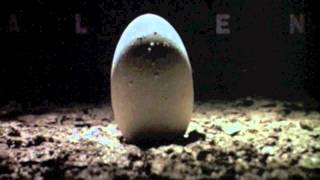
Alien
- Slow pacing -> reveals title and surprising screeching soundtrack
- begins when object is shown
- No dialogue
- Builds up pace & becomes more
- and more dangerous
- Doesn’t show enemy
- Close up of characters without giving away anything
- Loud distressing noises when images become more distressing
- Silence -> slogan
 28 Days Later
- Short, quick images to cause distress
- Rock soundtrack
- Serious narration
- Long shots to show isolation
- Dialogue from film to show emotion and some plot
Daisy Edwards
Subscribe to:
Posts (Atom)